What is a Hollow Block and What is it Made of? What are the Sizes?
Hollow block, standing out for both its cost-effectiveness and durability, is one of the most important building materials in the construction sector. Often preferred as a fundamental structural element, it has a wide range of uses from wall building to foundation reinforcement. Today, for construction companies, contractors and individual users alike, the hollow block is not just a building unit but also an intelligent solution that saves both cost and time. Its practicality on-site, eco-friendly nature contributing to sustainability and resistance to different climate conditions are among the main reasons for its preference.
What Does “Hollow Block” Mean?
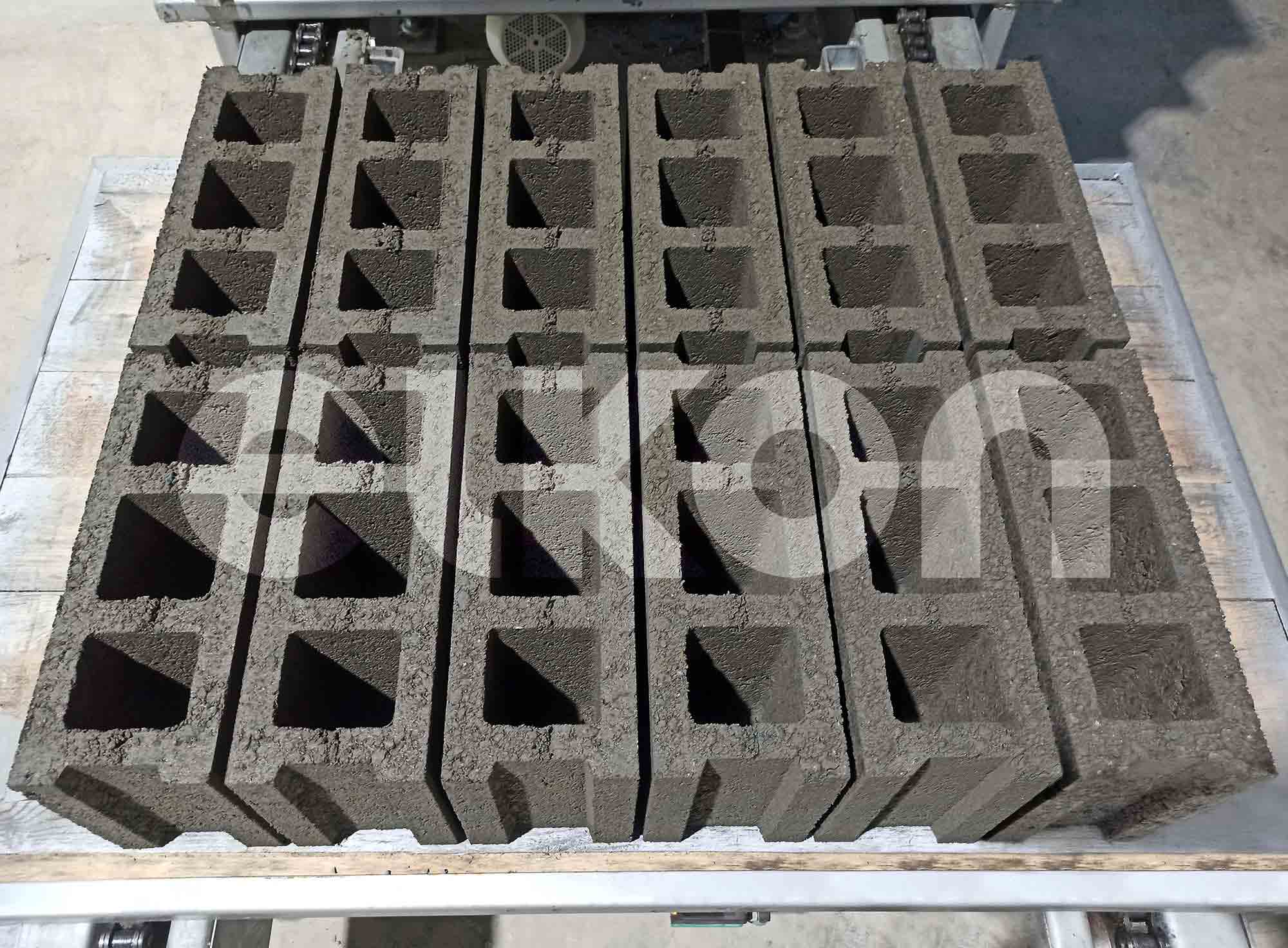
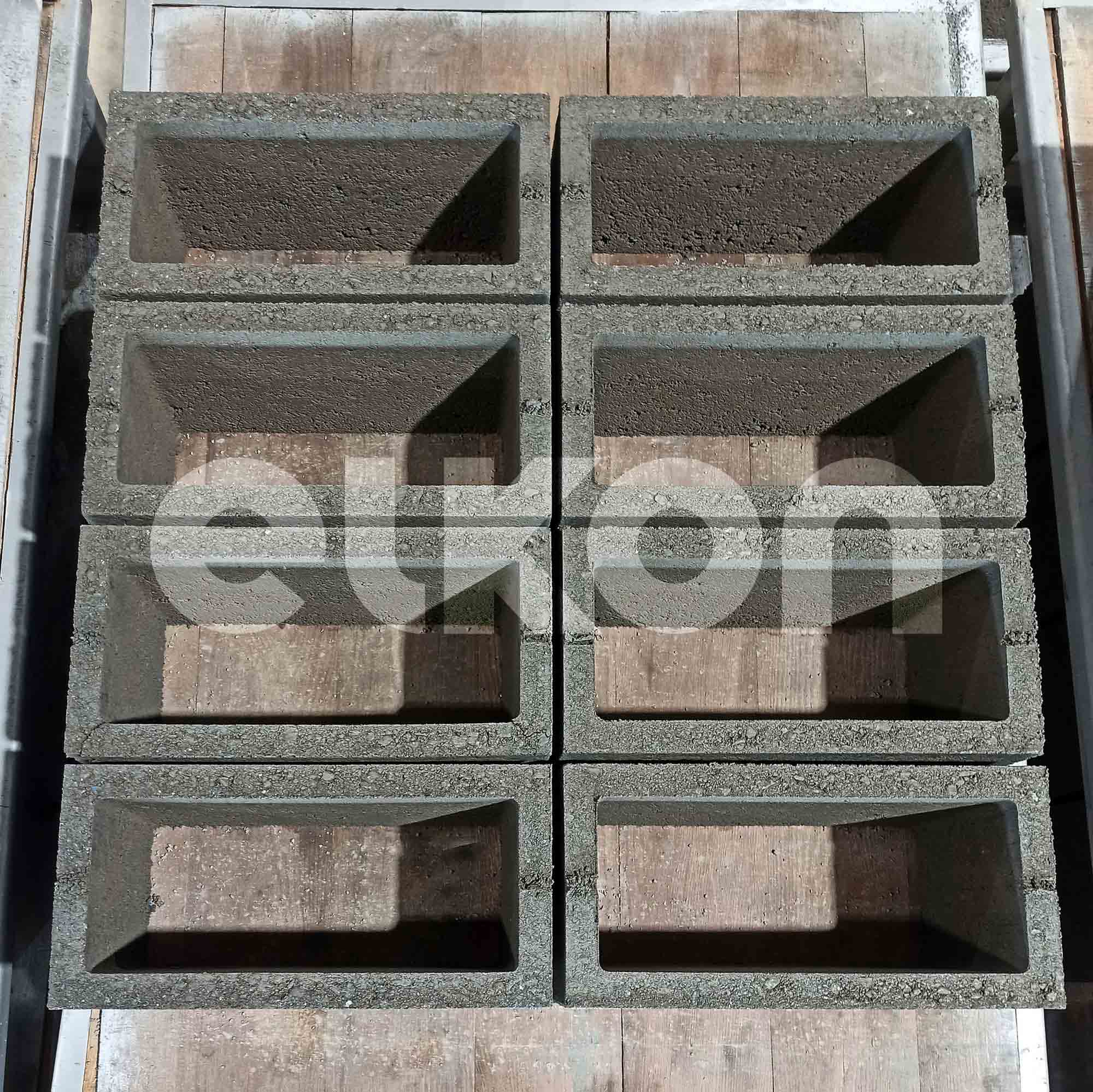
This construction material is produced by mixing water, cement and aggregate in specific proportions, then molding and hardening the mixture. This simple yet effective production formula turns hollow block units into durable, long-lasting and shape-retaining building elements. Thanks to their straight edges and load-bearing properties, they offer easy application and reliable results during construction. Suitable for both exterior and interior wall applications, this material serves as a strong building block, especially for earthquake-resistant structures.
What is a Hollow Block Made of?
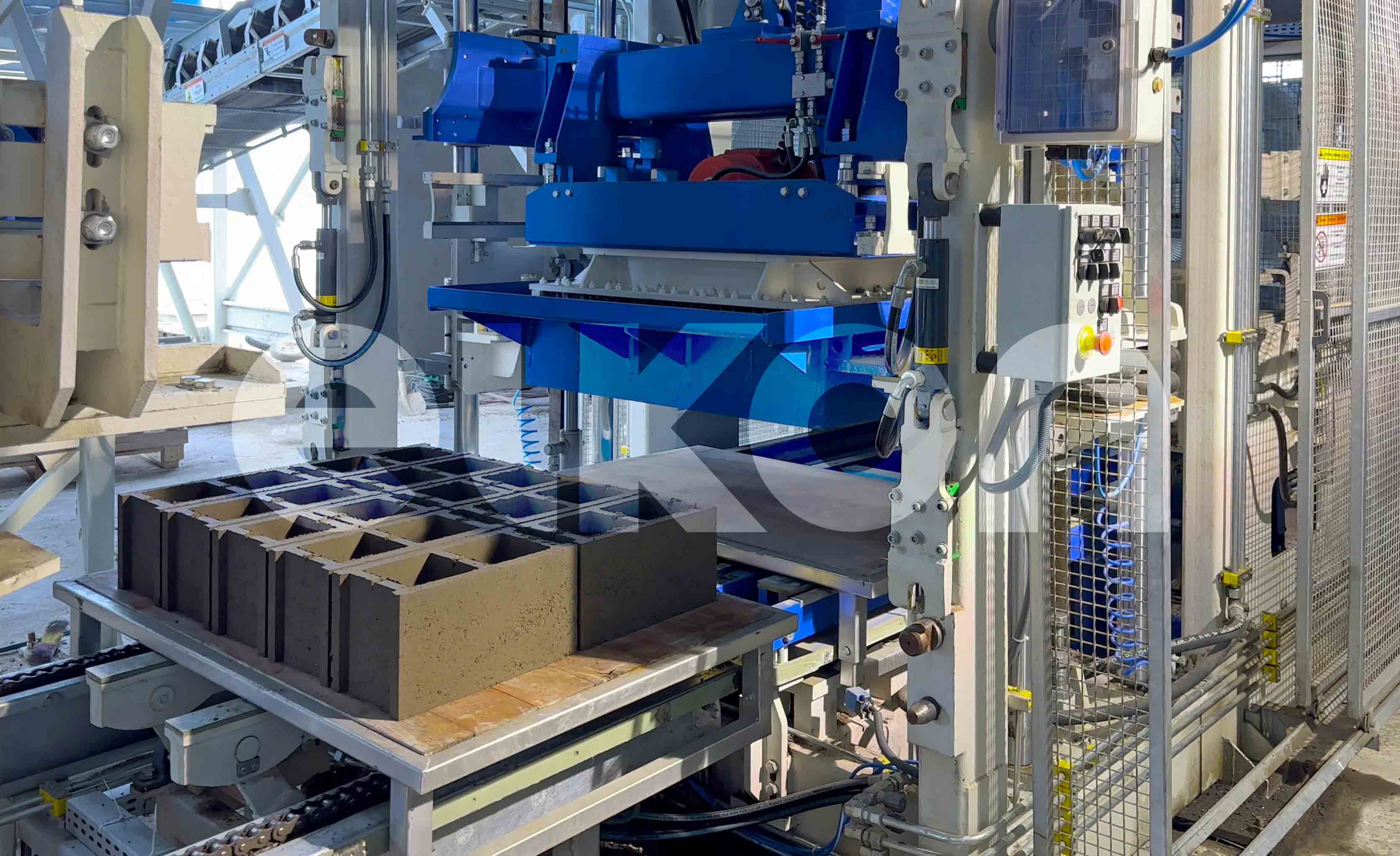
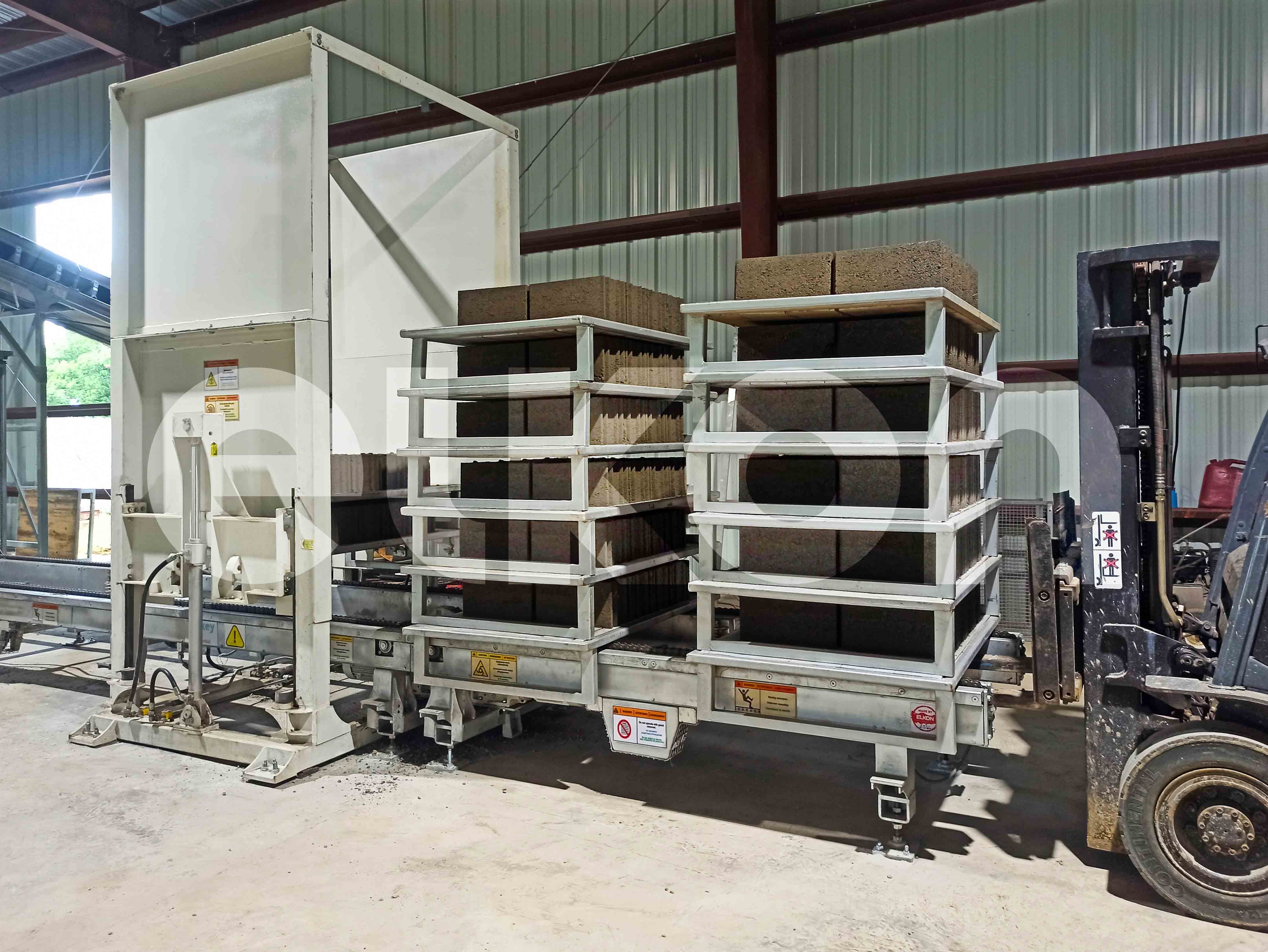
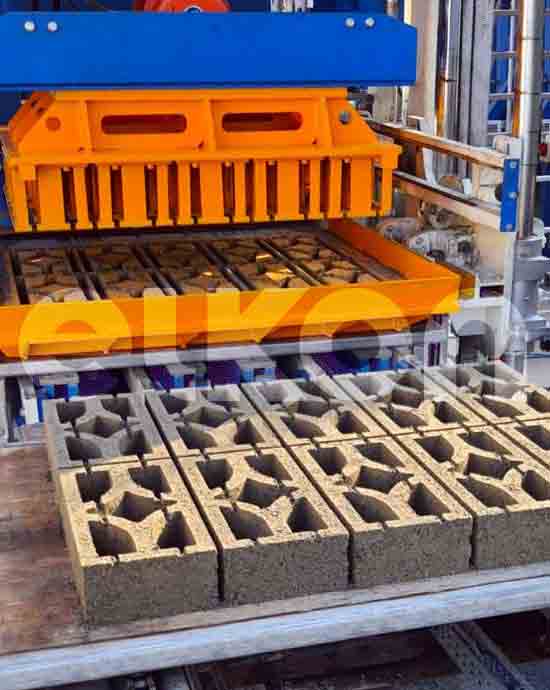
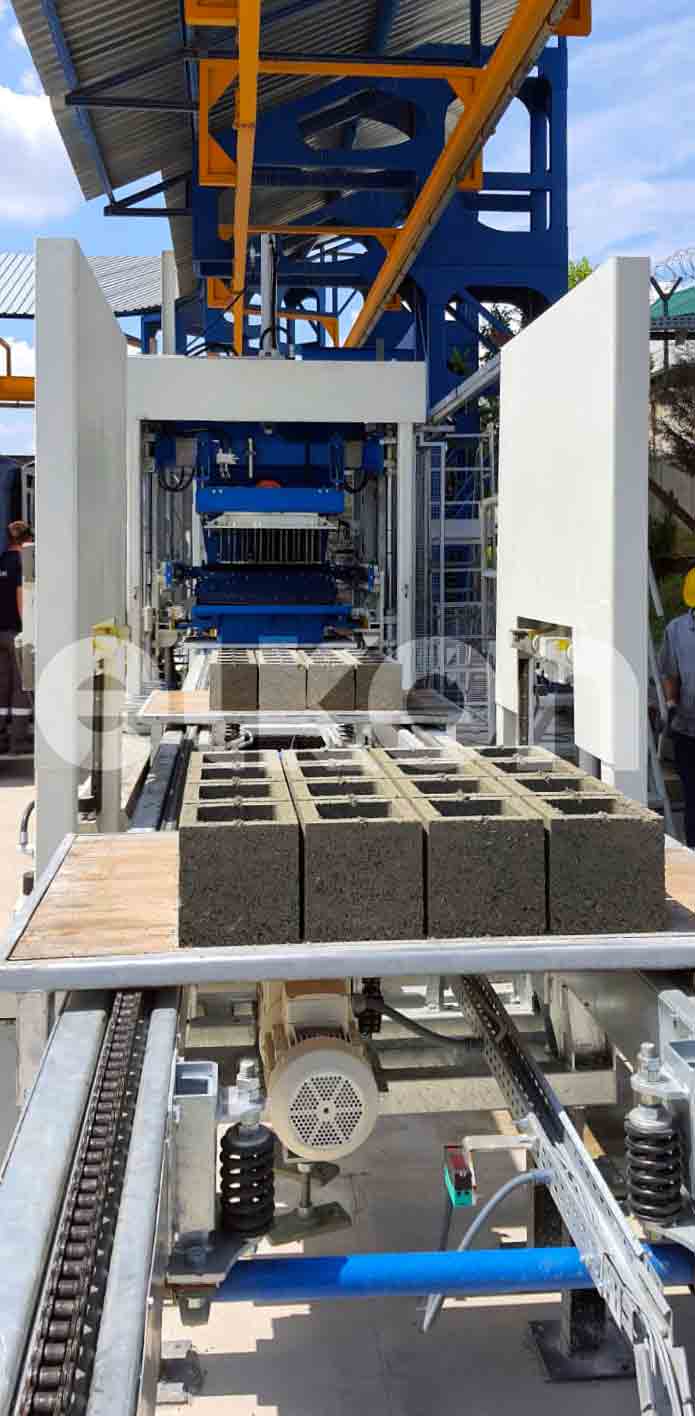
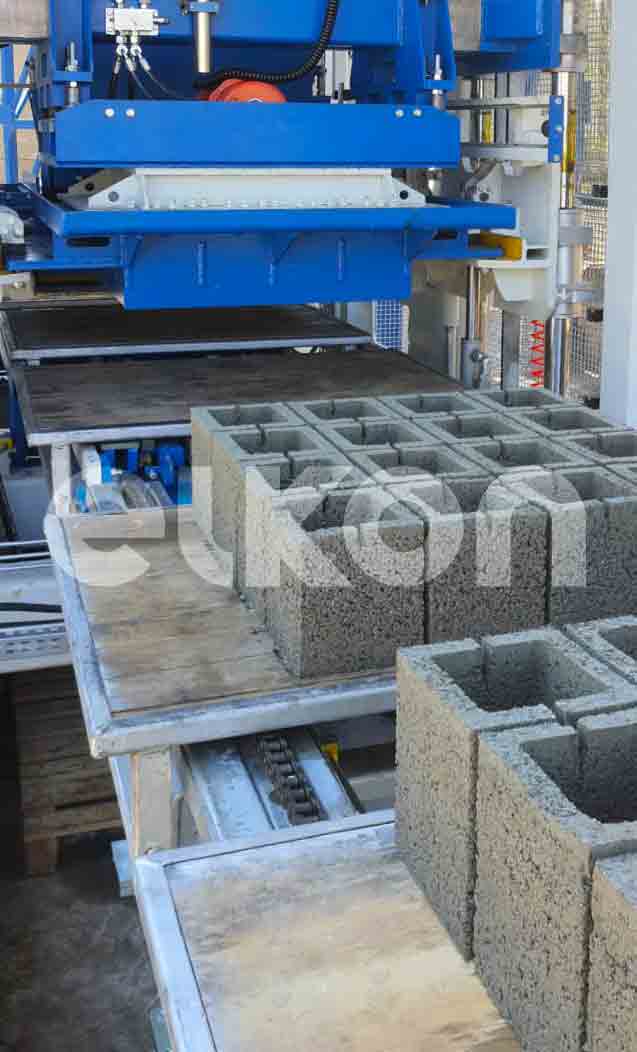
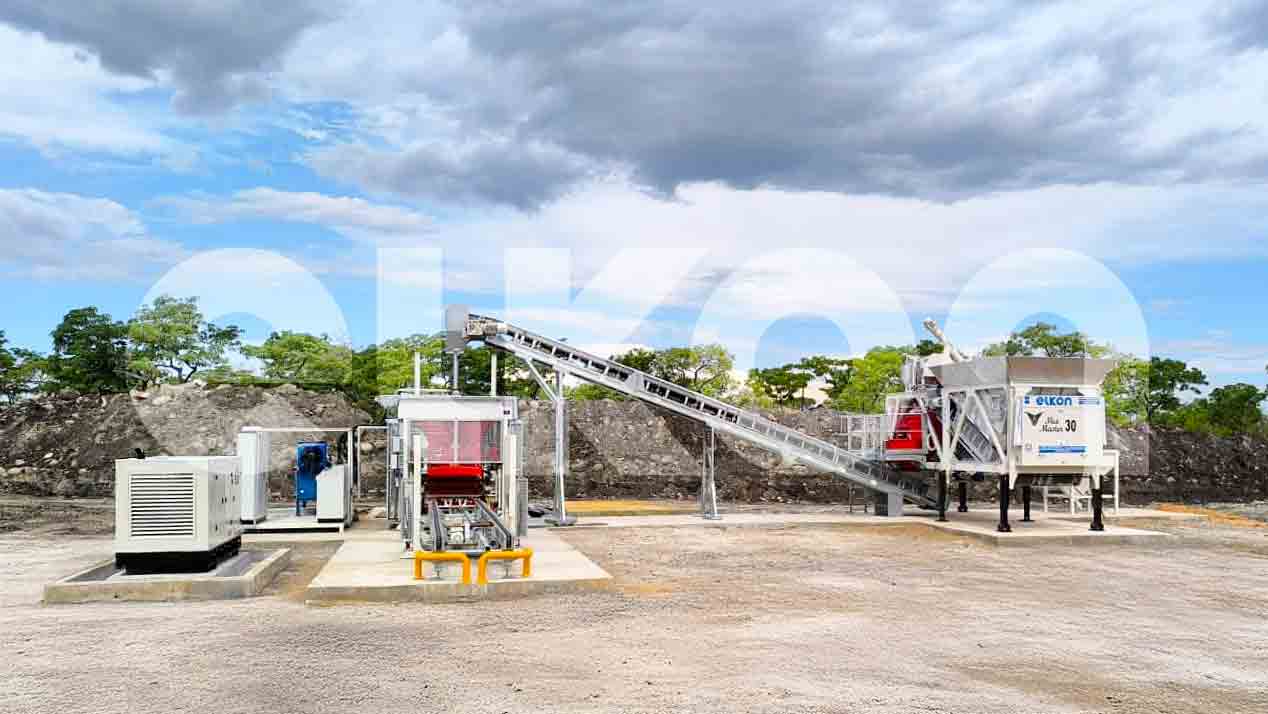
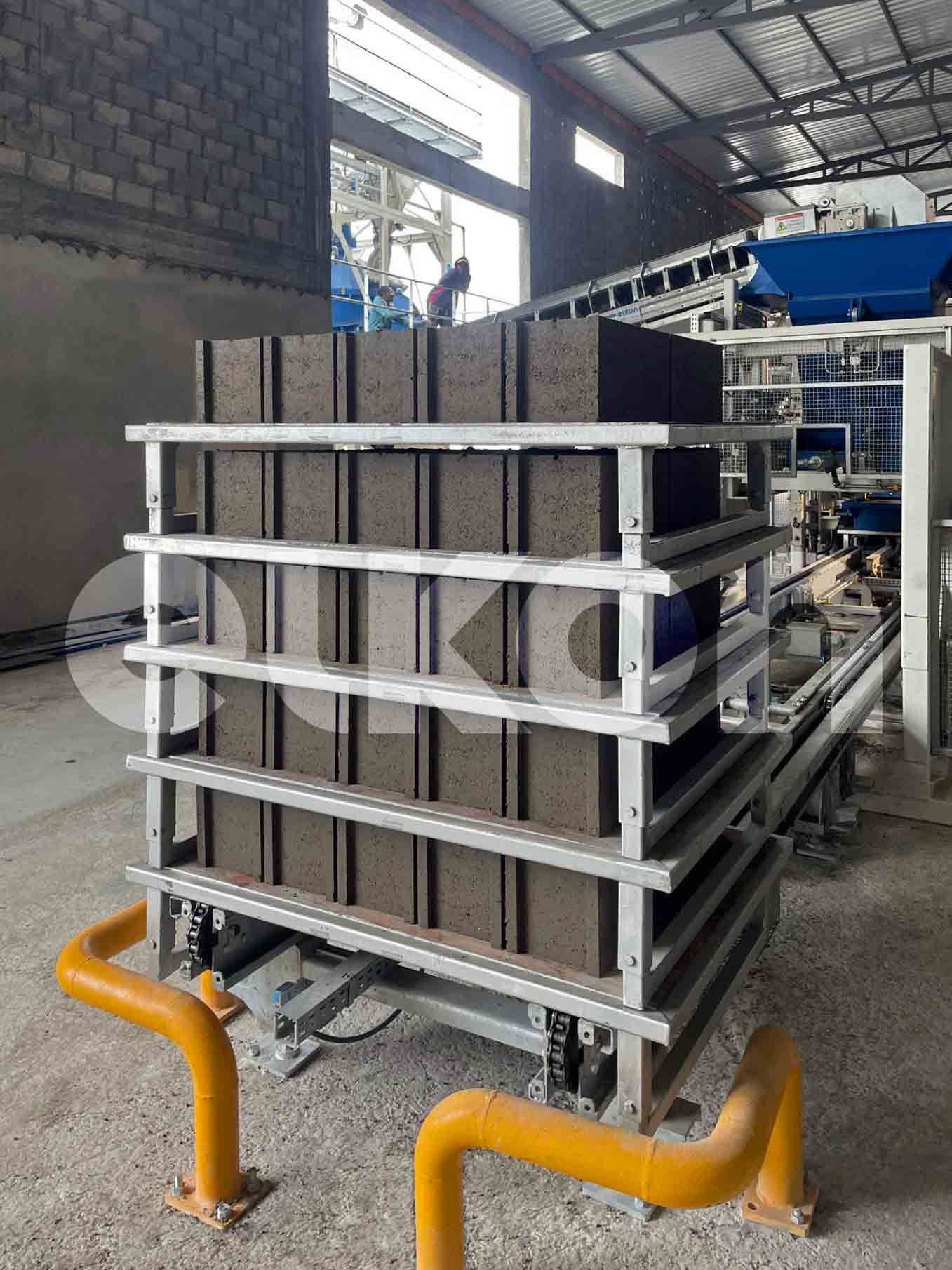
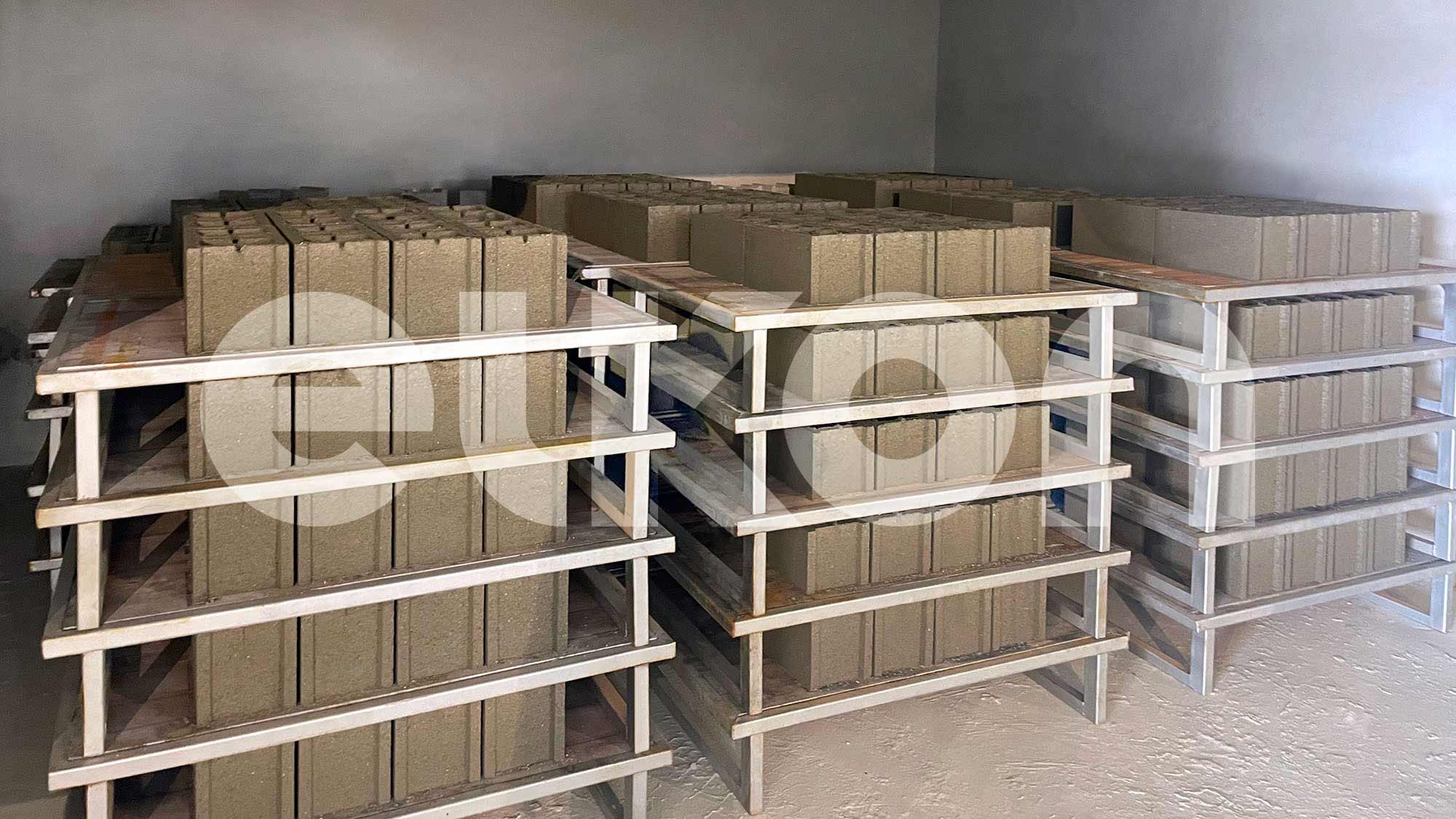
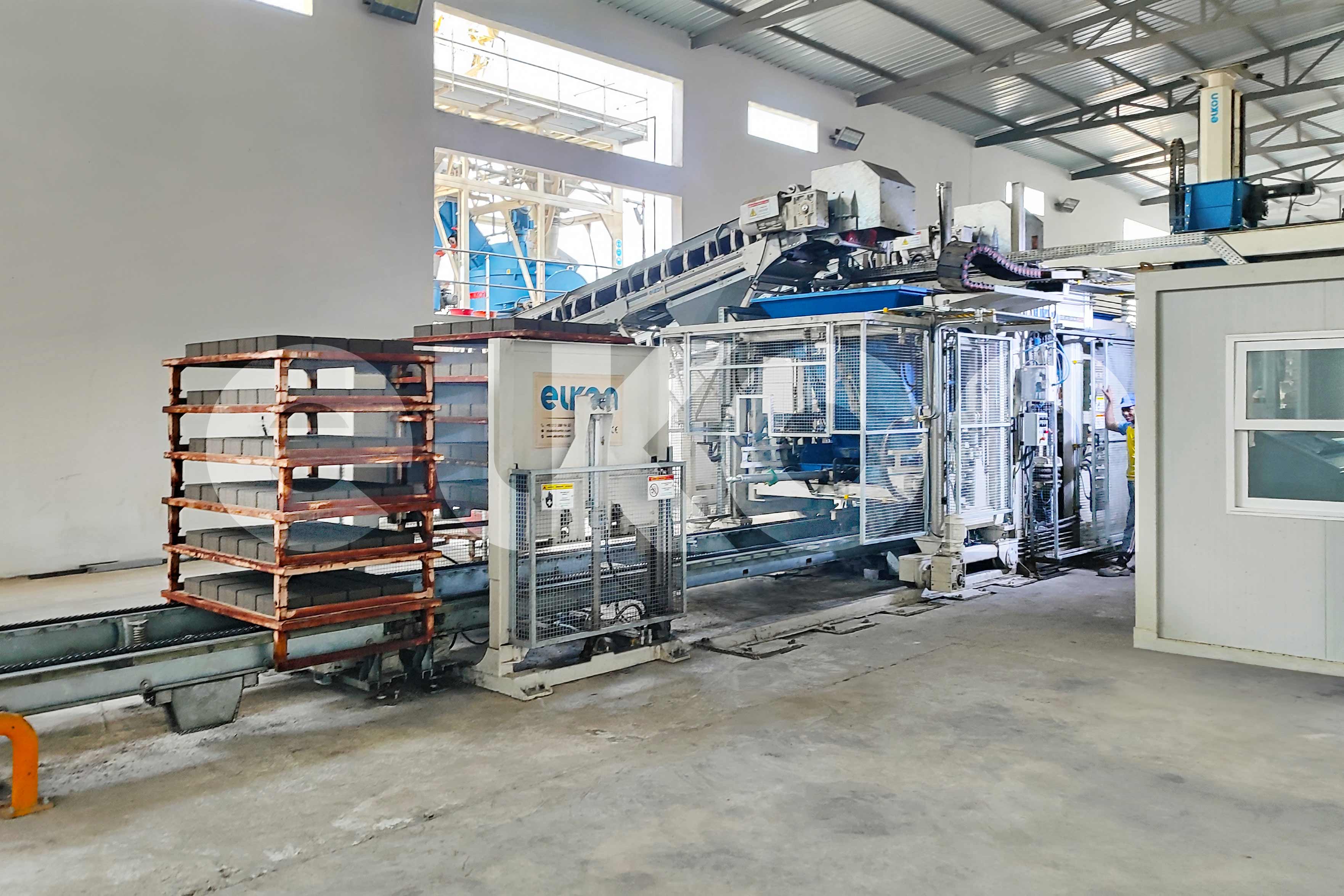
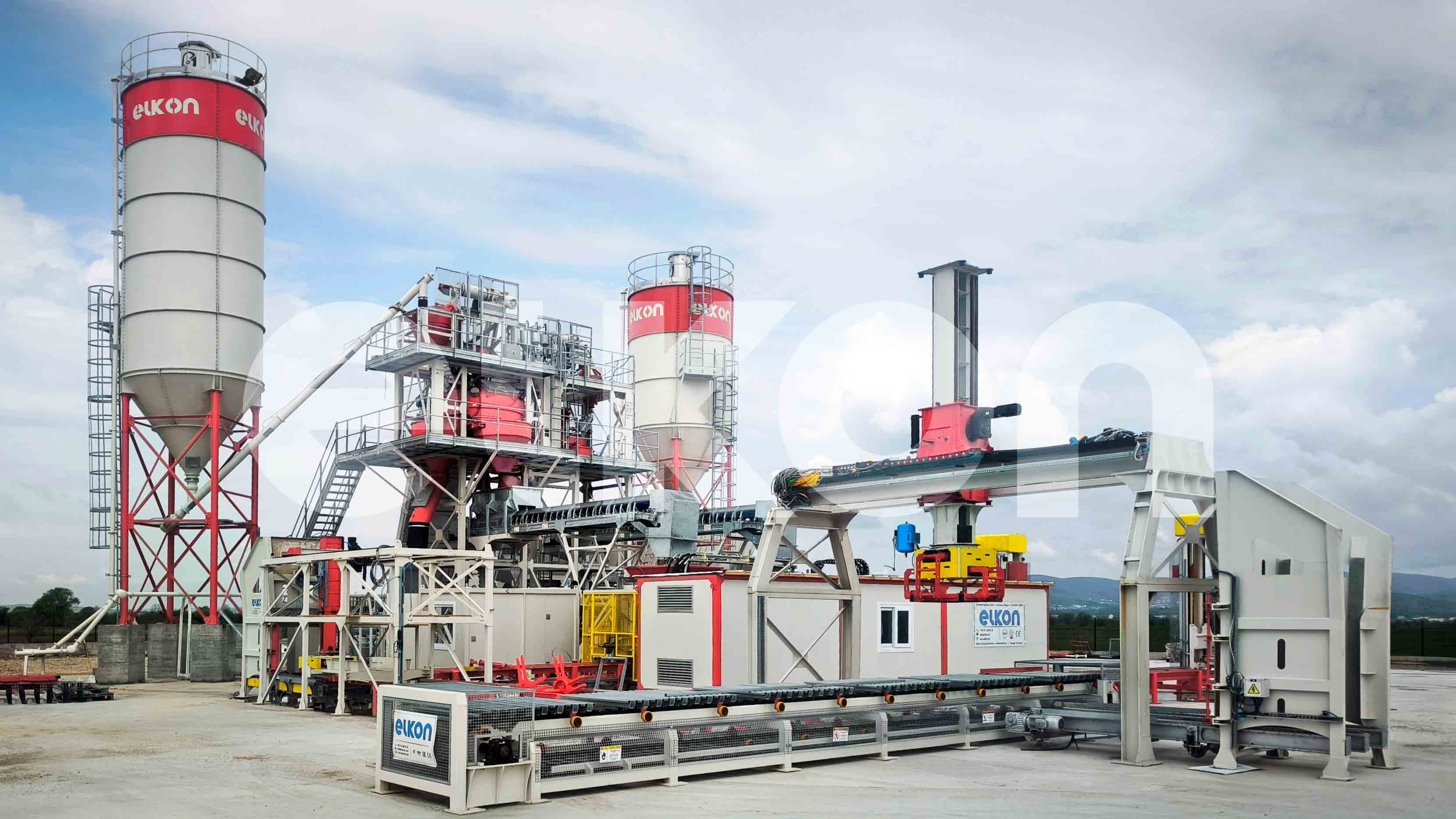
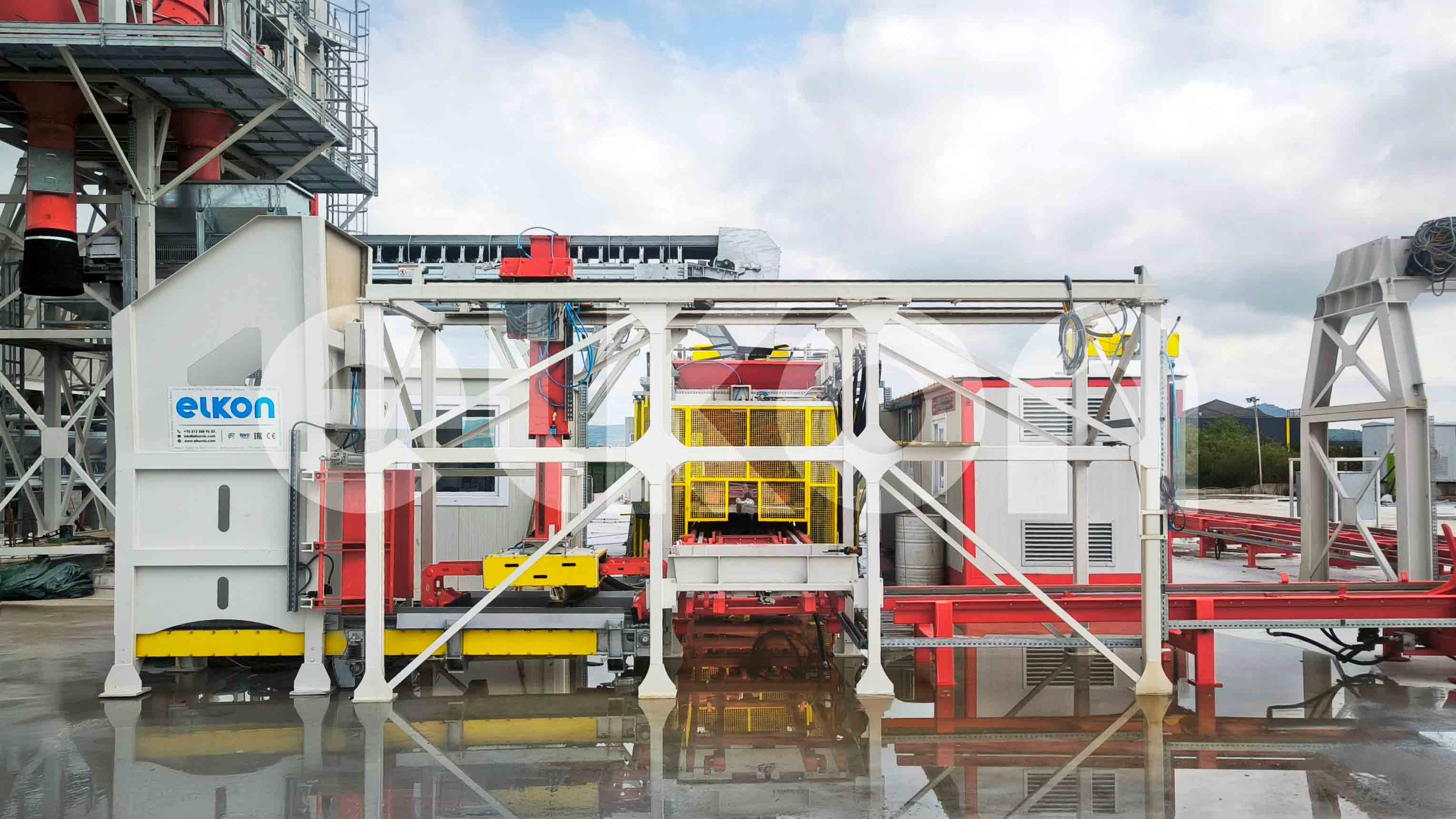
It mainly consists of cement, water and aggregates of various grain sizes. After being thoroughly mixed into a homogeneous blend, the concrete mixture is poured into special molds and compacted in block making machines such as ELKON Elkoblock-25. Once cured, it becomes ready for use. Thanks to technological advancements, the production process today is largely automated. Especially with professional manufacturers like ELKON, advanced block and paving machines enable high-quality, mass production of hollow blocks (pumice blocks). This ensures durable, high-strength and environmentally friendly products that fully comply with industry standards. Additionally, various additives can be incorporated during production to enhance properties such as waterproofing, thermal insulation or aesthetic appeal.
Types of Hollow Blocks and Their Applications
These construction modules can be produced in various forms and structures to meet different needs. Adapted to the functions of the building, they help increase construction efficiency while preserving structural integrity. The most common types include:
- Concrete hollow block: Known for its density and durability. Used in load-bearing walls.
- Hollow block brick: Similar to traditional brick but larger in size. Preferred in masonry structures.
- Smart hollow block: An innovative type that optimizes moisture, temperature, and environmental performance.
Each type offers its own unique advantages. Choosing the right one for the project ensures both ease of application and structural safety.
What are Hollow Block Sizes?
The size of the hollow block depends on the project requirements, but the industry has standardized some dimensions:
- 10x20x40 cm: Suitable for lightweight infill walls.
- 15x20x40 cm: Used in medium load-bearing walls.
- 20x20x40 cm: Ideal for projects requiring high load capacity.
These dimensions may vary depending on the manufacturer, so it is important to determine the correct size based on the project. ELKON’s customizable mold solutions make it possible to produce in any required size.
Hollow Block Wall Applications
Modular block systems are widely preferred in residential, commercial and infrastructure projects for their ease of application and high performance. Their smooth surface requires less plastering work, while also offering advantages in thermal and sound insulation. Their high load capacity makes them an essential element in earthquake-resistant buildings.
When constructing a wall with hollow blocks, factors such as material uniformity, precise block alignment and mortar thickness directly affect the wall’s durability.
How Much Do Hollow Blocks Cost?
The price of hollow blocks varies depending on the type selected and the scale of the project. Key factors affecting price include:
- Quality of raw materials and type of hollow block
- Production method (manual, semi-automatic, fully automatic), order quantity and delivery distance
For example, hollow block brick prices are usually calculated per piece and the range depends on the manufacturer, production capacity and delivery distance. Models with special exterior coatings or enhanced insulation features may cost more. Bulk purchases reduce the unit cost. They are sold both per piece and per pallet in the market. Therefore, it is recommended to make hollow block calculations before making cost planning. ELKON’s production systems offer practical solutions for such topics.
How to Calculate Hollow Block?
Accurately calculating material requirements is crucial for any project. Factors to consider while calculating include wall length and height, selected hollow block size, mortar thickness and openings for doors and windows. The combination of these factors directly affects the total block requirement. Generally, 12–15 blocks are enough for 1 m² of wall. However, this number may vary depending on size and application details.
What to Consider While Choosing Hollow Block?
If you want to build a quality and durable structure, selecting the right building block is essential. While choosing a product, the following criteria must be taken into consideration:
- Durability and density of the material
- Reliability of the manufacturer
- Suitability of mold design for the intended use
- Standards compliance documents
For outdoor applications, materials should be resistant to moisture and temperature fluctuations. In such cases, hollow blocks with stone texture or special coatings may be preferred.
Sustainability and Environmental Impact in Production
Today, sustainability is as important as durability in the construction industry. Construction modules, which can be made from recyclable materials and have a long service life, are an eco-friendly choice with low environmental impact. Especially in terms of energy efficiency and waste management, they also offer advantages over reinforced concrete. ELKON’s advanced paving and block machines reduce energy consumption and minimize the waste generated during production.
Building Modular Structures with Hollow Blocks
Modular structures stand out as a modern method that saves time and money in the construction industry. Due to their portability and standardized sizes, hollow blocks are ideal materials. In social housing projects that require fast construction, masonry wall systems make the process more efficient from foundation to handover. The light weight of the structure reduces the use of human labour during construction and shortens the assembly time. In this way, both time is saved and structural safety is increased.
What are the advantages of using Hollow Blocks?
This product offers numerous benefits as a cost-effective and easy-to-apply building material. This structural element can be applied quickly and practically, creating a cost advantage thanks to its low labour costs. At the same time, its high load-bearing capacity enables the construction of durable and long-lasting structures. It contributes to thermal and acoustic insulation, improves user comfort, and provides resistance to external factors such as fire and moisture. Offering sustainable production possibilities, hollow blocks are preferred in environmentally friendly projects and support fast construction processes thanks to their suitability for modular structures.
These advantages make the use of the product particularly attractive in multi-family housing and industrial building projects.
Quality Standards in Hollow Block Production with ELKON
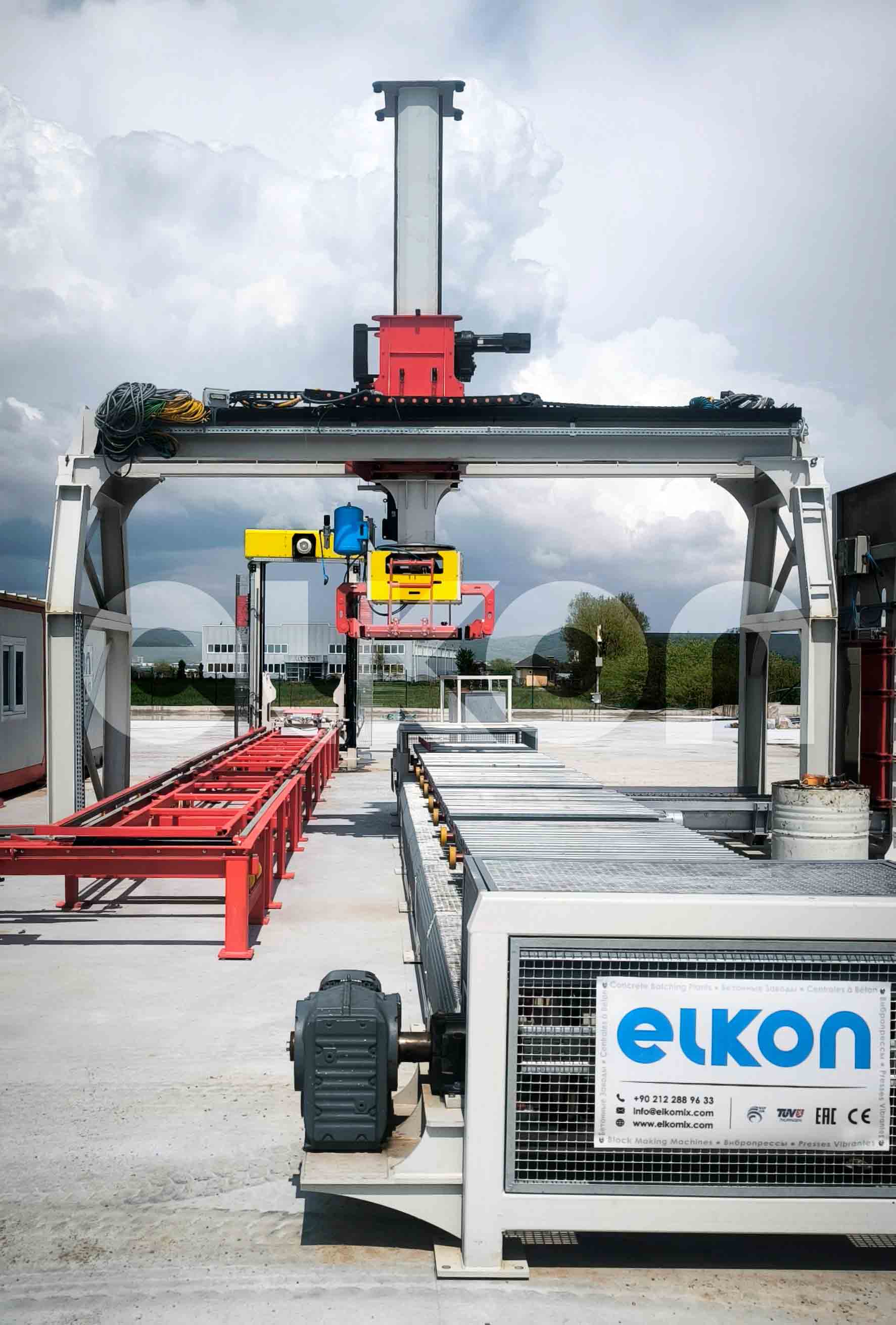
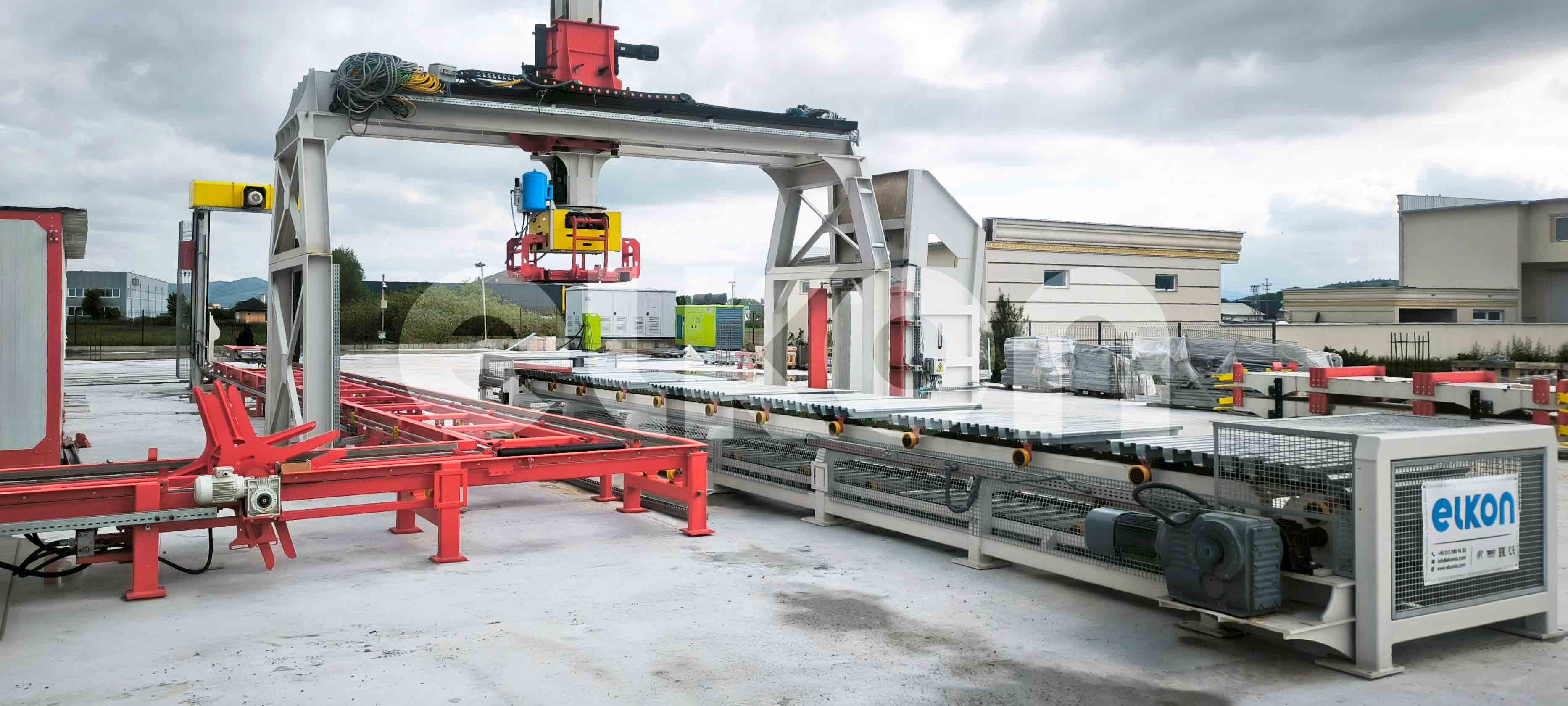
ELKON offers high productivity to producers with its advanced technology hollow block machines designed for the construction sector. Each machine is built to industry standards and works with customizable mold systems to produce different block types.
Thanks to the high production capacity of ELKON’s paving and block machines, not only are prices competitive, but quality and consistency are also guaranteed. This benefits both the end user and increases the manufacturer’s competitiveness.
The Right Hollow Block, the Right Structure
The foundation of every building is laid with strong materials. In this context, this material offers durability, aesthetics, and cost advantages for both residential and industrial projects. If you are looking for the right size, right quality, and suitable price set for your project, it would be beneficial to get acquainted with the solutions offered by ELKON.
With ELKON’s innovative block machine systems and expert engineering team, you can lay a strong foundation for your construction projects.