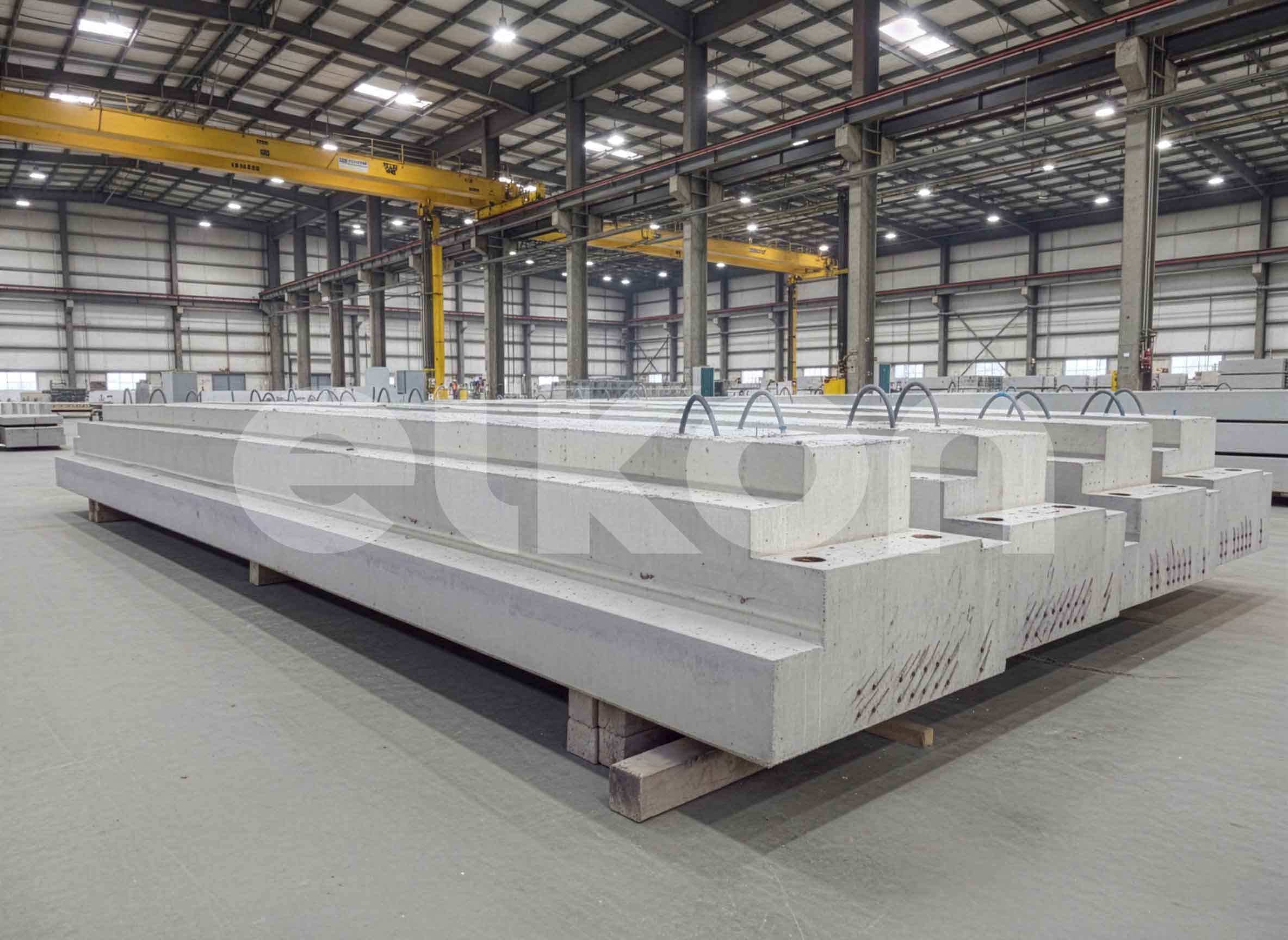
What is Precast?
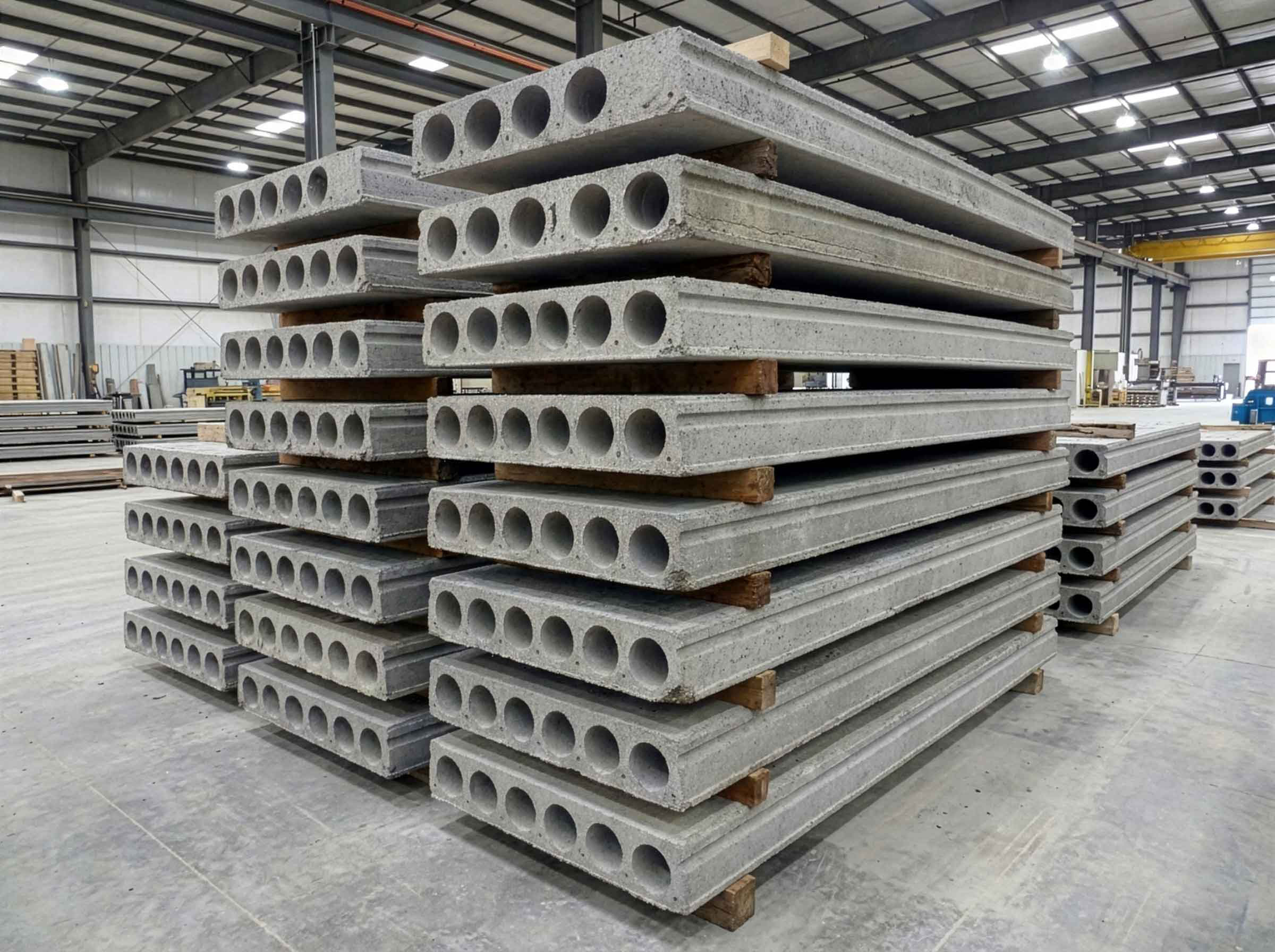
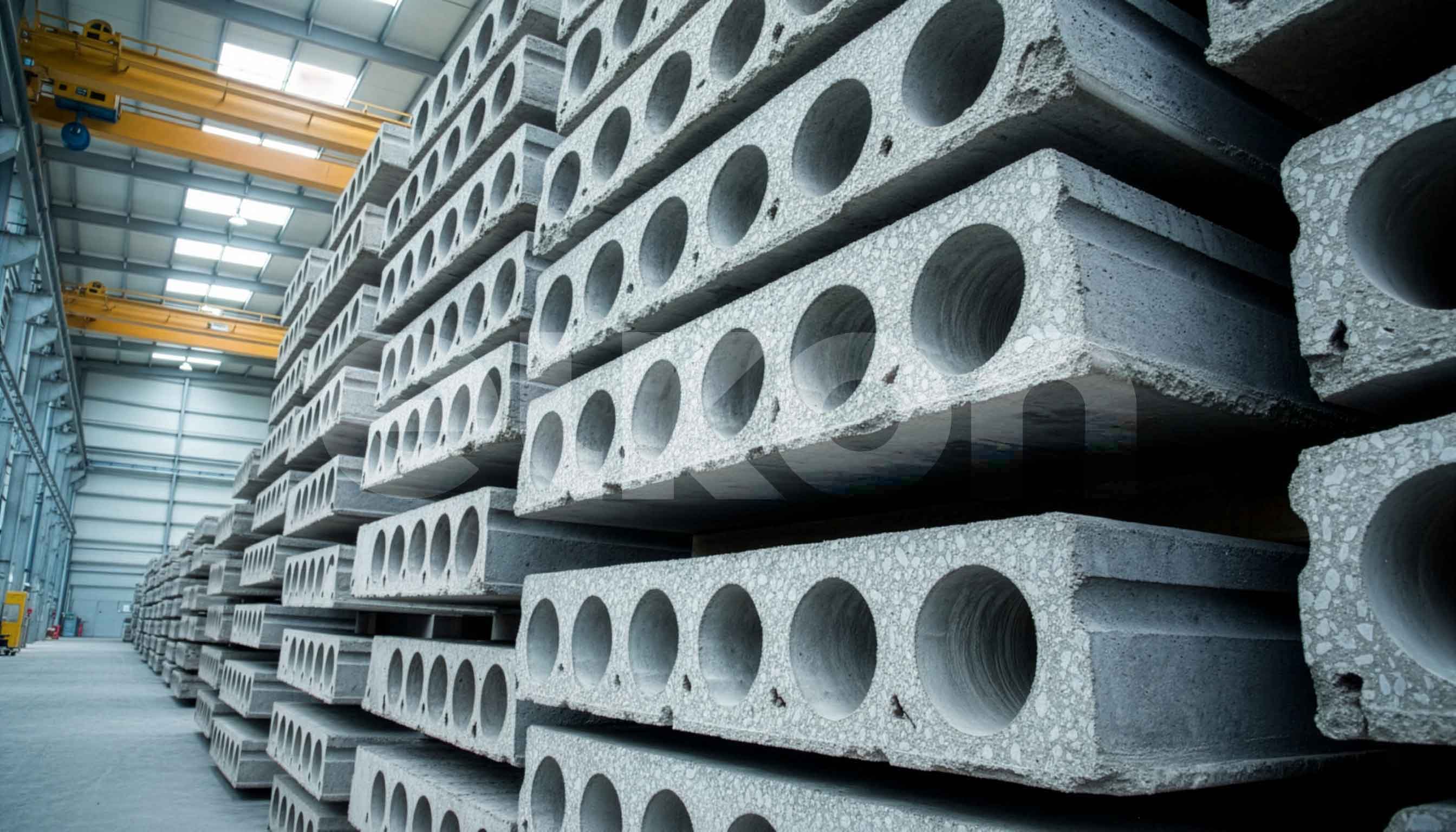
Precast is a modern construction system based on preparing reinforced concrete components in a controlled production facility rather than at the construction site and transporting them to the assembly area after a specific curing process. The precast system ensures that the concrete mix is prepared in accordance with standards and that a high-quality surface finish is achieved. In this way, long-lasting, durable and aesthetic solutions are obtained both for load-bearing elements and architectural façade applications.
Precast elements significantly speed up the construction process as they only require assembly on site. Their applicability even in harsh weather conditions, high thermal and acoustic insulation, low maintenance requirements and design flexibility have made them one of the most preferred building techniques in modern architecture.
What is the Difference Between Precast and Readymix Concrete?
In cast-in-place concrete applications, the result often depends on site conditions. Environmental factors such as air temperature, humidity and wind can affect the curing process of concrete. Similarly, workmanship quality, formwork cleanliness and variations in material ratios can also lead to differences in surface appearance and strength.
At this point, many people ask the question, "Precast or readymix concrete? Which is more advantageous?" In precast concrete systems, production is carried out in a controlled and standardized process according to predetermined quality criteria. The concrete mixing, molding, compaction and curing stages are carried out in a planned manner. This ensures that both the surface quality and structural properties of the resulting elements are more consistent and predictable.
Precast concrete also provides speed and efficiency on the application site. Since the design and dimensions are finalized before the elements are prepared, the assembly process takes less time, project planning is more accurate and site organization is maintained. Furthermore, the high level of pre-preparation during the production phase reduces the margin of error and contributes to cost control. In projects with geometric repetitions, using the same molds and processes allows for more economical and mass production.
Advantages Gained Through Precast Production
- Surface quality is standard
In precast mold systems, since each panel comes from the same mold system, the surface texture, color consistency and form integrity are maintained. The need for extra plastering or correction is minimized.
- Precast strength is under control
Concrete mix ratios, aggregate sizes and additives are determined under laboratory conditions. This makes the long-term strength of the concrete reliable.
- Application time is reduced
Panels arrive to the construction site ready for assembly. For on-site casting processes, the mold preparation, casting and curing times required are eliminated.
- The margin of error decreases throughout the project
Connection points, anchors and transition details are planned in advance during production. The need for unexpected adaptations during assembly is largely eliminated. This significantly reduces both time loss and labor-related errors.
Precast Production Process
The production process follows specific engineering calculations. The concrete mixture is poured into special molds, the curing process is completed and quality control checks are performed. When the panels are ready for assembly, they are shipped to the construction site. The only operations to be performed there are placement and fastening.
Basic steps of the production process:
- Mold preparation and reinforcement placement
- Pouring the concrete mix into the relevant mold
- Completion of the curing process
- Surface and strength checks
- Delivery to the construction site and assembly planning
The above steps ensure that both the load-bearing capacity and surface quality of the structure meet the specified standards. Furthermore, the geometry, connection points and assembly details are meticulously planned during precast production. This enables a fast and safe assembly process with minimal intervention on site.
What Are the Advantages and Disadvantages of Precast?
Advantages:
- High quality control during the production phase.
- The surface texture does not require painting or coating for a long time.
- Speeds up the construction process and delivery time.
- Provides design form variety.
Disadvantages:
- Crane and transportation planning are required for assembly.
- Transportation costs may increase over long distances.
Precast Application Areas and Types
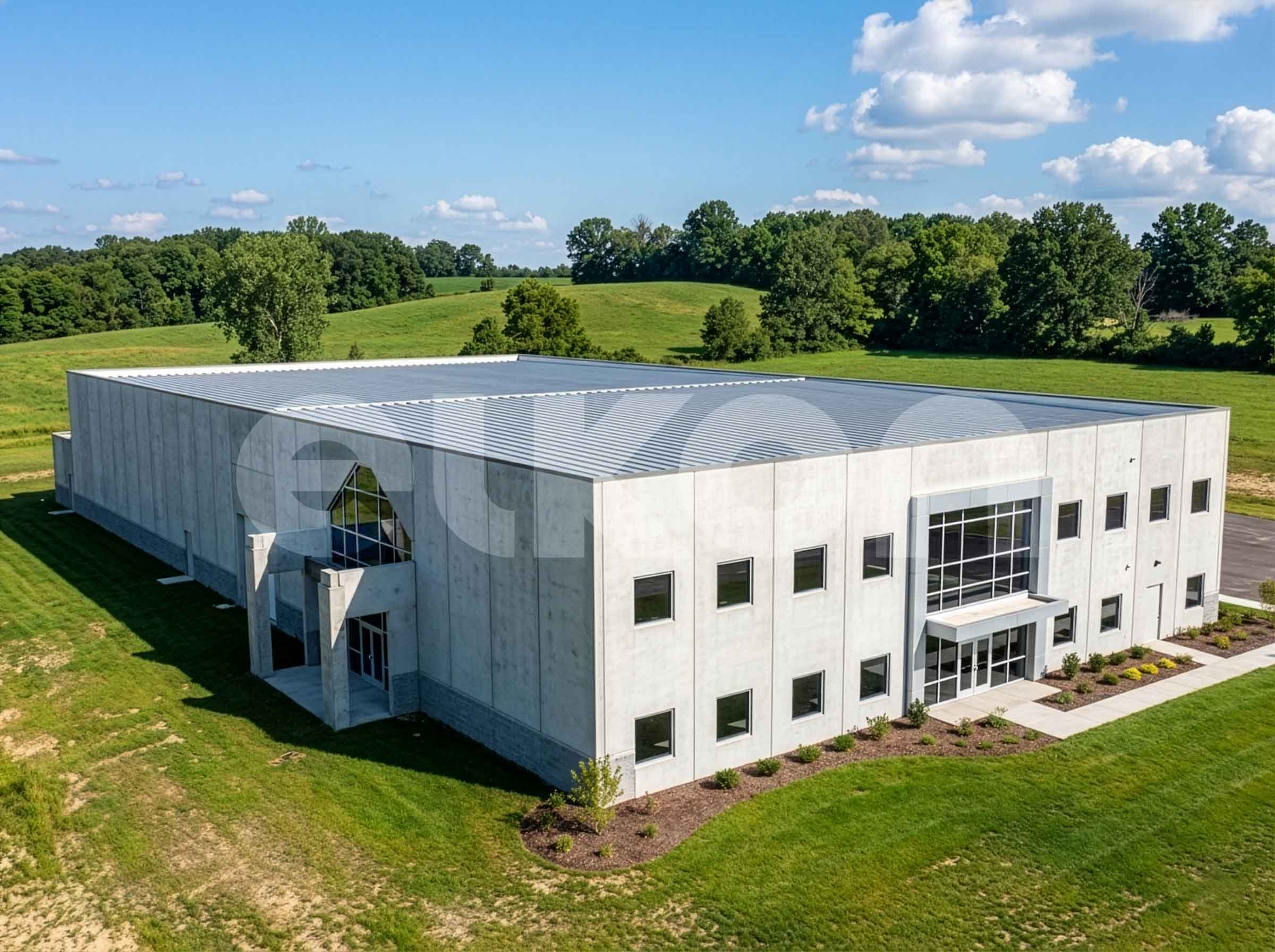
Precast concrete systems are versatile building elements that can be used for both architectural and structural solutions. The ability to freely shape the molds during the production process offers architects aesthetic and form diversity in facade design.
Many different surface options can be produced, from smooth surfaces to organic lines, from stone-look textures to specially patterned panels. This allows the exterior of structures to move beyond being merely a protective covering and become a design element that expresses the identity and character of the structure.
At the same time, precast systems are not only a visual component but also play a supportive role structurally. Panels are produced with the necessary reinforcement ratios according to engineering calculations and are planned to work in harmony with the load-bearing system. This provides a reliable solution for both high-rise buildings and projects with large facade surfaces.
Areas of application:
- Residential and apartment facades
- Plaza, hotel and shopping mall facade systems
- Public buildings and cultural structures
- Landscape elements
- Precast wall panels
- Precast border panels
- Balcony, parapet, column and beam claddings
Precast Assembly and Insulation Details
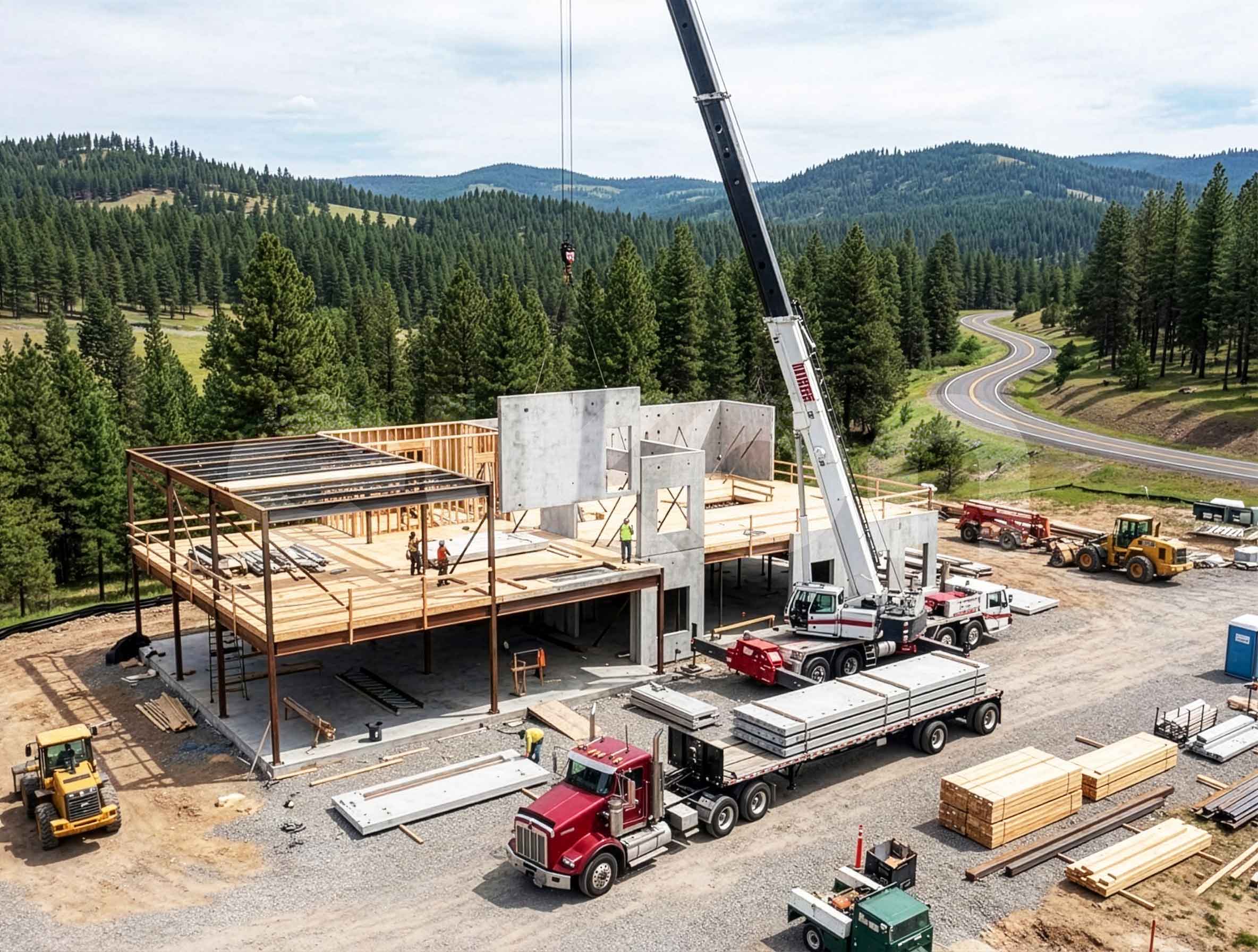
Precast facade cladding panels are carefully positioned onto the specified structural frame in the project by using a crane. Since the weight of each element, the installation angles and the connection points are pre-planned during the placement of the panels, the process proceeds in a controlled manner.
Precast panels are fixed via metal anchor points to maintain structural integrity, and these connections ensure a secure load transfer between the supporting system and the panel. This balances both wind loads and building movements without causing any deformation on the panel.
After assembly is complete, the joints between the panels are filled with special filler materials. This stage is critical for ensuring facade integrity and creating a protective barrier against external factors. Correct filling prevents problems such as water leaks, heat loss or surface cracks over time.
Precast Insulation effects:
- Maintains indoor thermal balance.
- Reduces cooling and heating costs.
- Provides noise absorption and increases acoustic comfort.
Precast Prices and Cost Calculation
Precast panel prices cannot be expressed as a standard figure because each project has its own different design and application requirements. Factors such as the panel's dimensions, thickness, geometry and the level of detail in the surface texture directly affect the cost. Especially for panels with special patterns or organic forms, mold production is more laborious, making mold costs a significant factor in the total budget.
The equipment and crane capacity to be used in the assembly process are also included in the pricing. Logistical planning for transporting the panels to the construction site, transportation distance and loading/unloading facilities are also cost items. Construction site conditions are one of the factors that can extend or shorten the working time of the assembly team. Therefore, labor planning also directly affects the budget.
Factors determining the price:
- Concrete class and material quality
- Panel thickness and geometry
- Difficulty level of mold production
- Construction site location and assembly times
Precast systems do not require extensive maintenance, do not cause surface deformation over time and extend the life of the building ensures that the cost is advantageous in the long term. However, it should not be forgotten that each project has its own technical requirements. Therefore, technical specifications, design details and application conditions should be considered together in cost analysis. Planning that takes into account long-term performance, aesthetic expectations and durability criteria will reveal the most accurate budget approach.